Office of Research, Innovation & Commercialization (ORIC)
WEMP Event
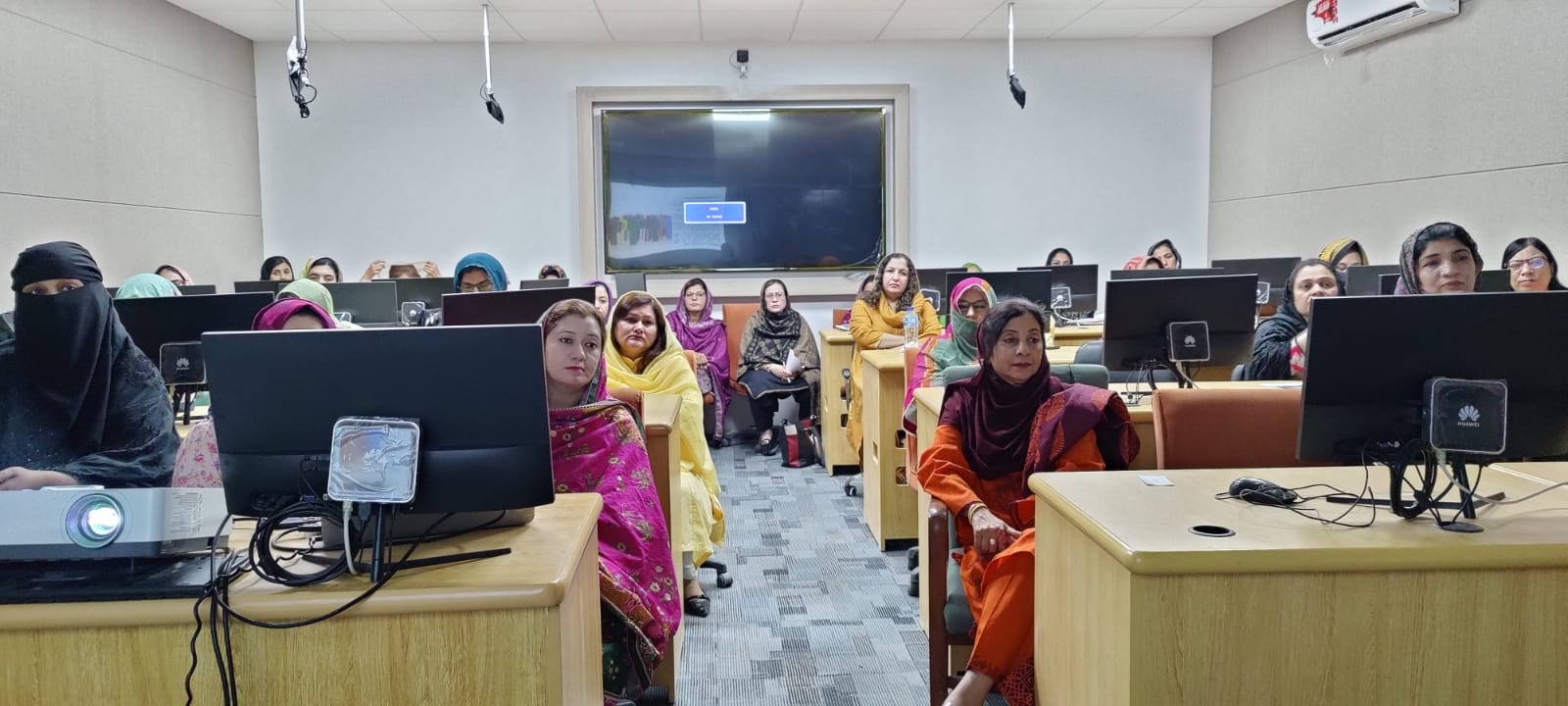
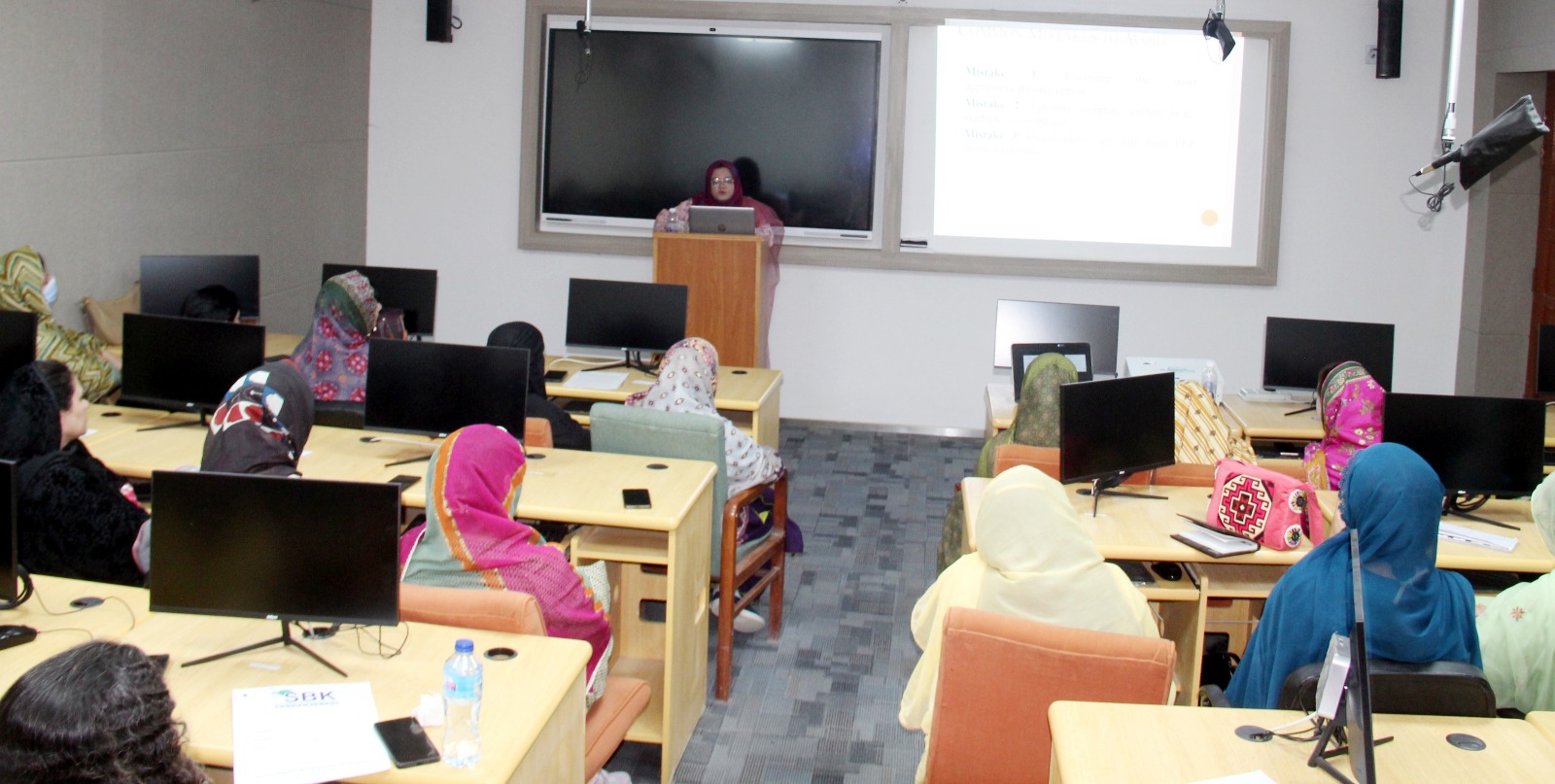
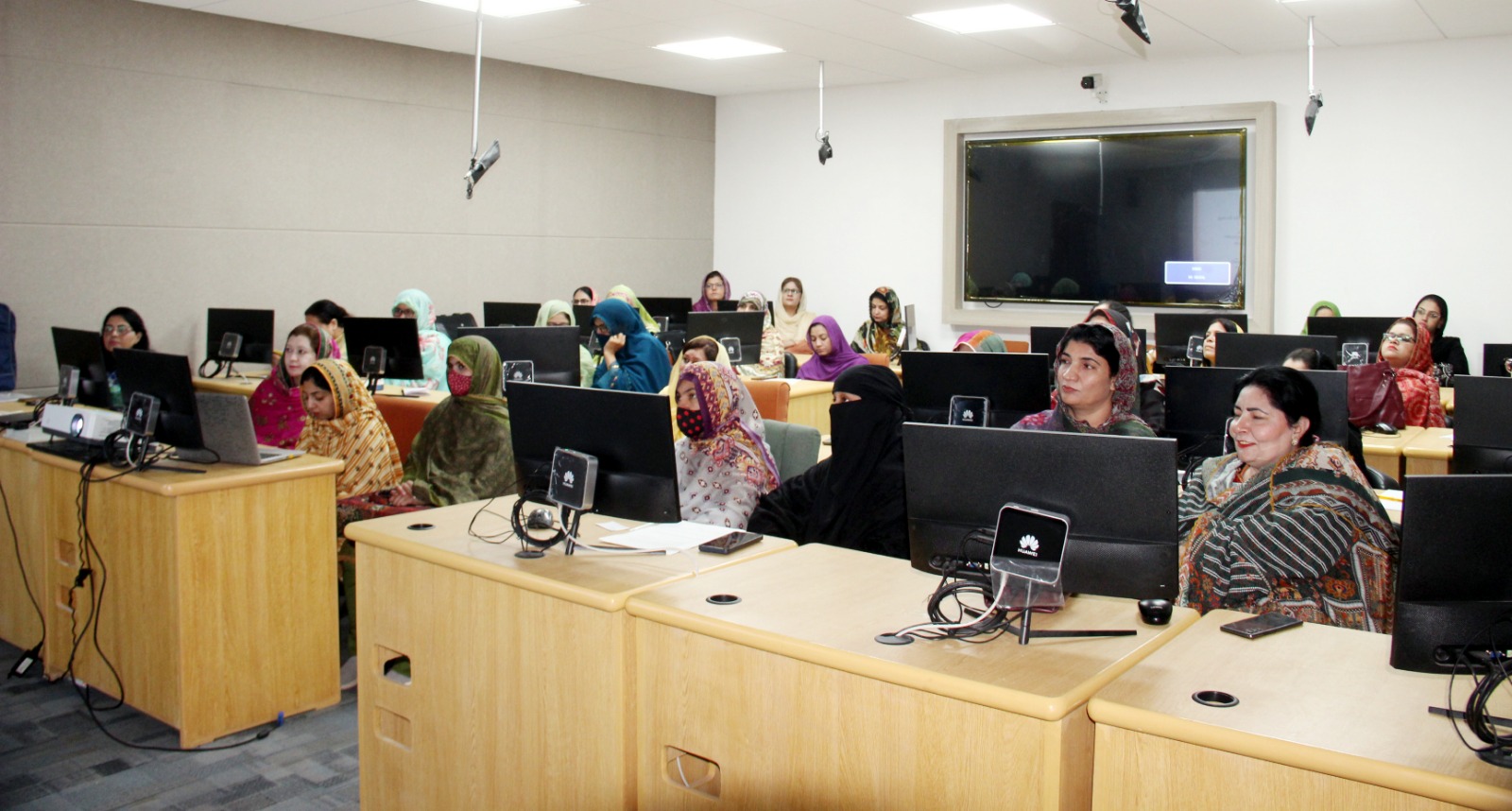
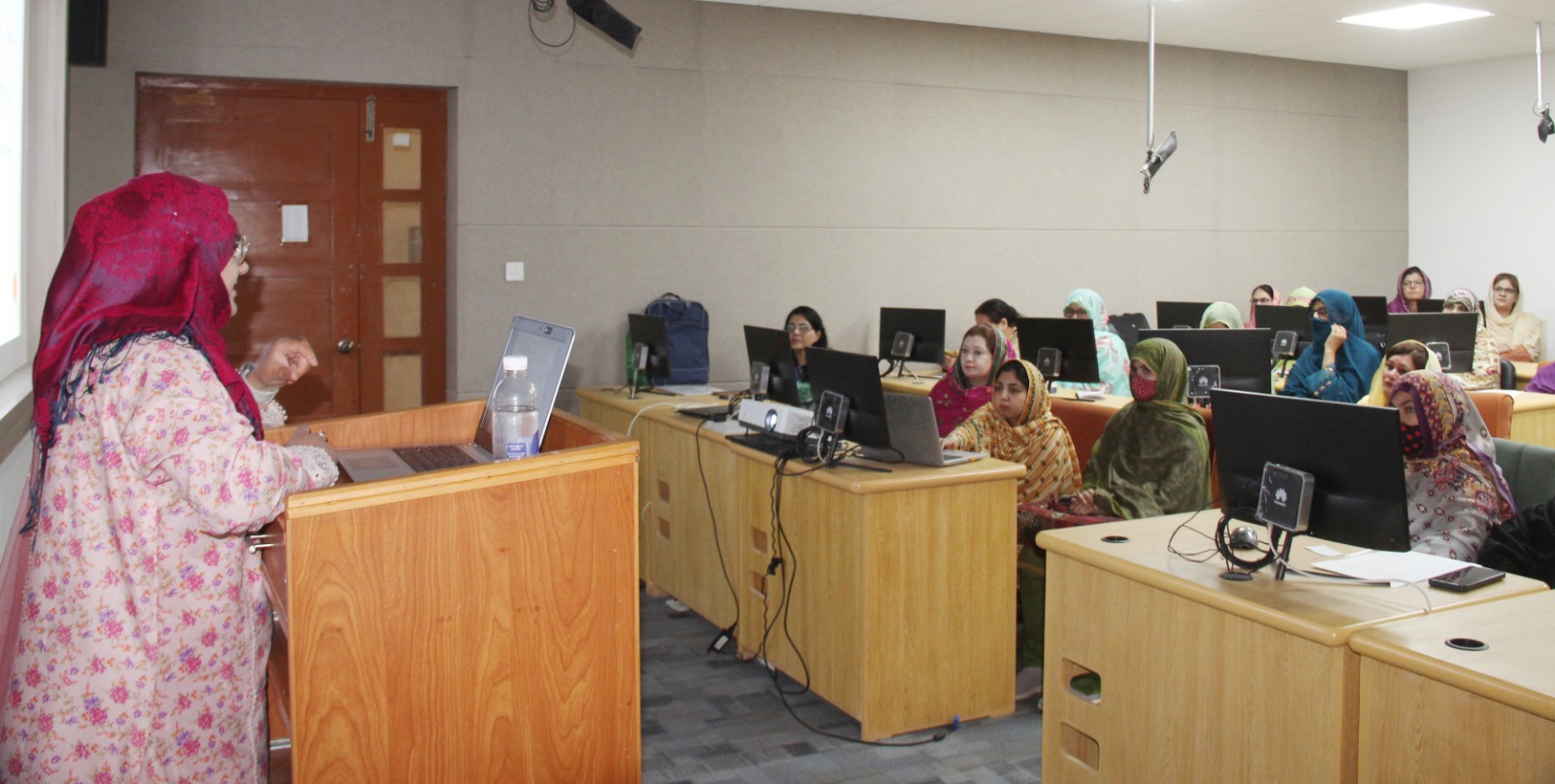
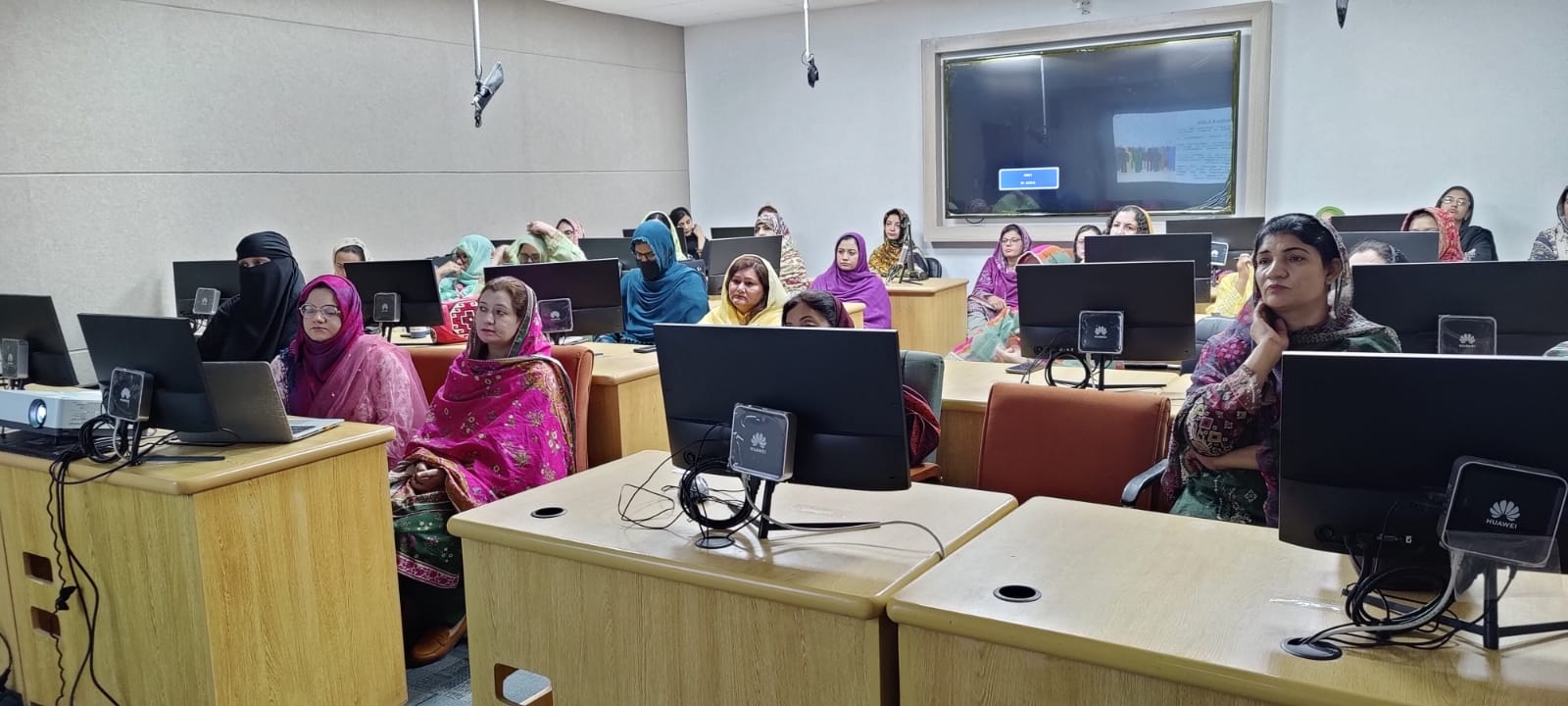
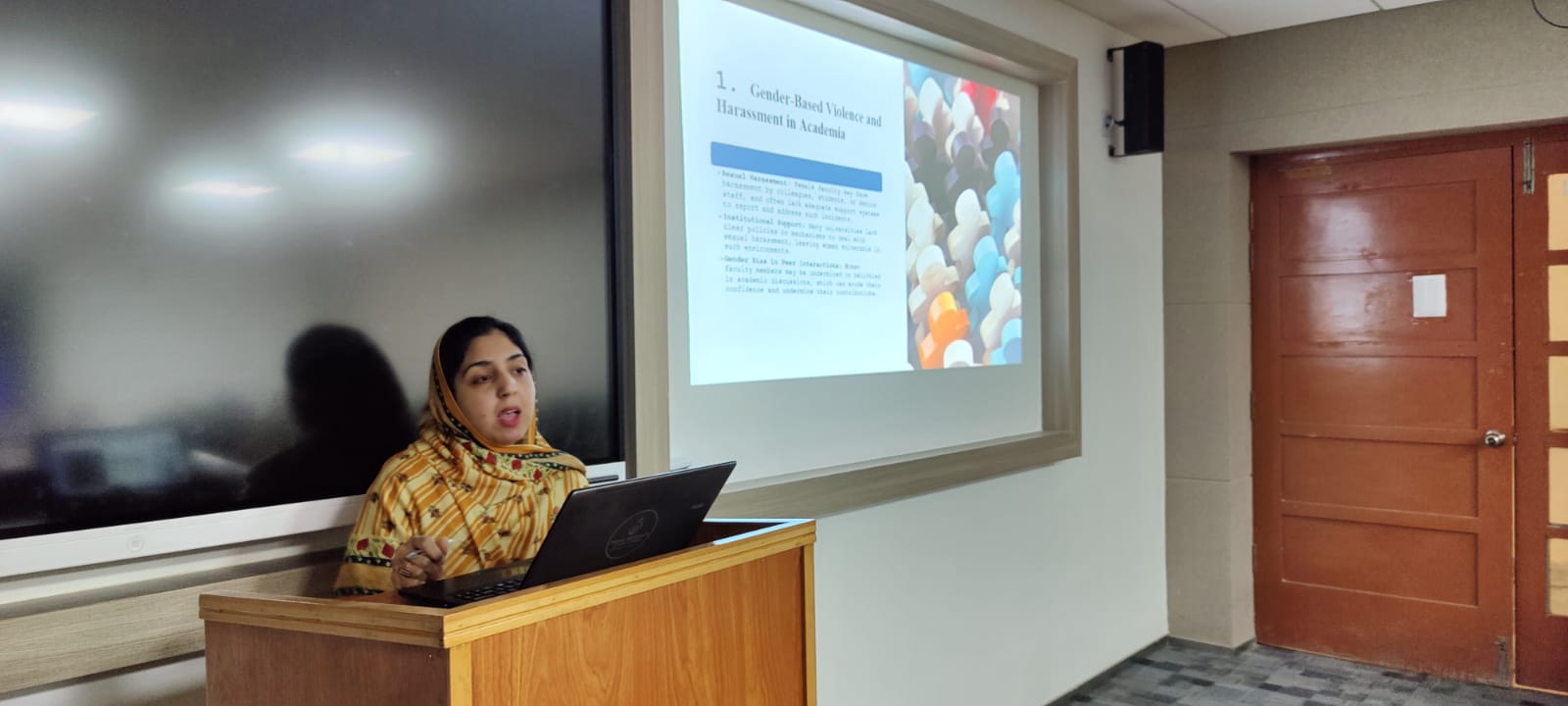
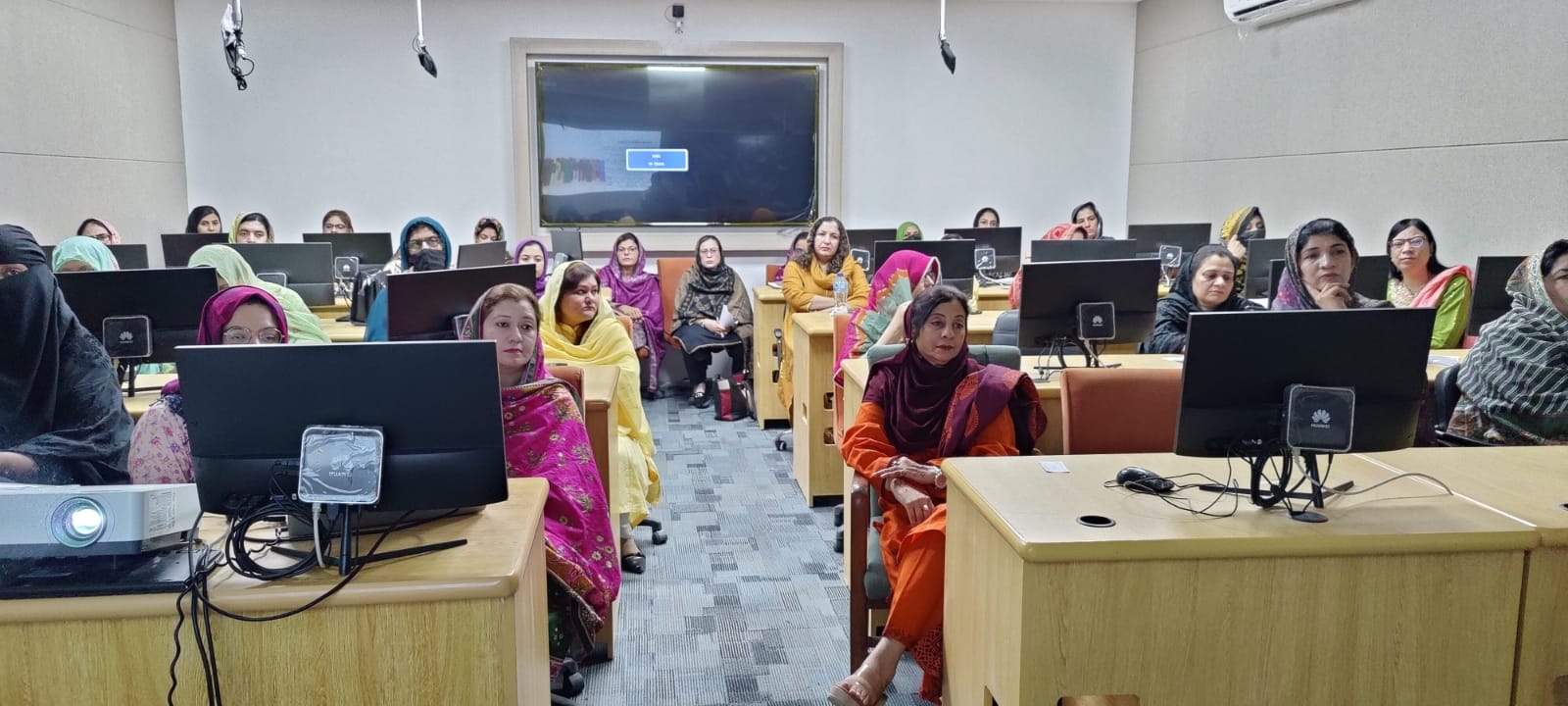
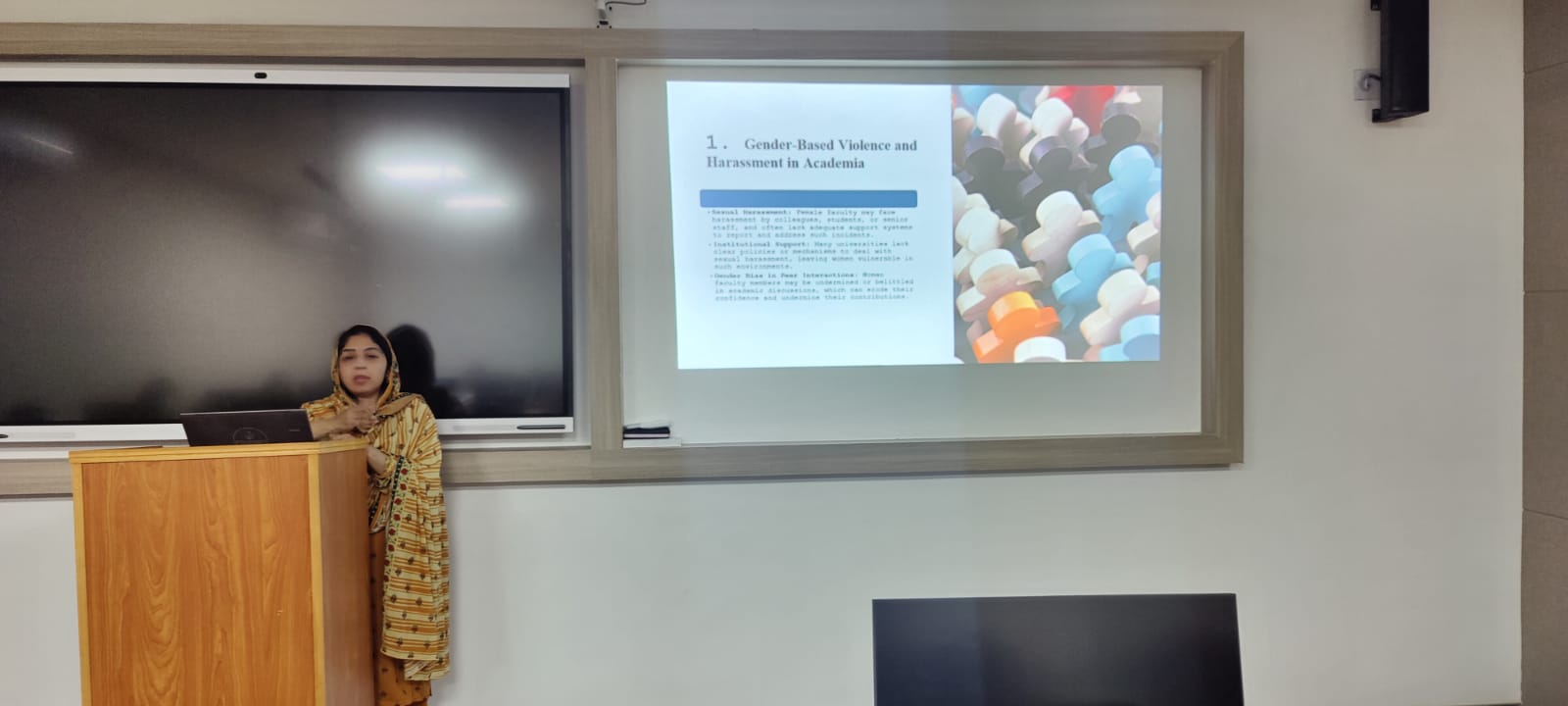
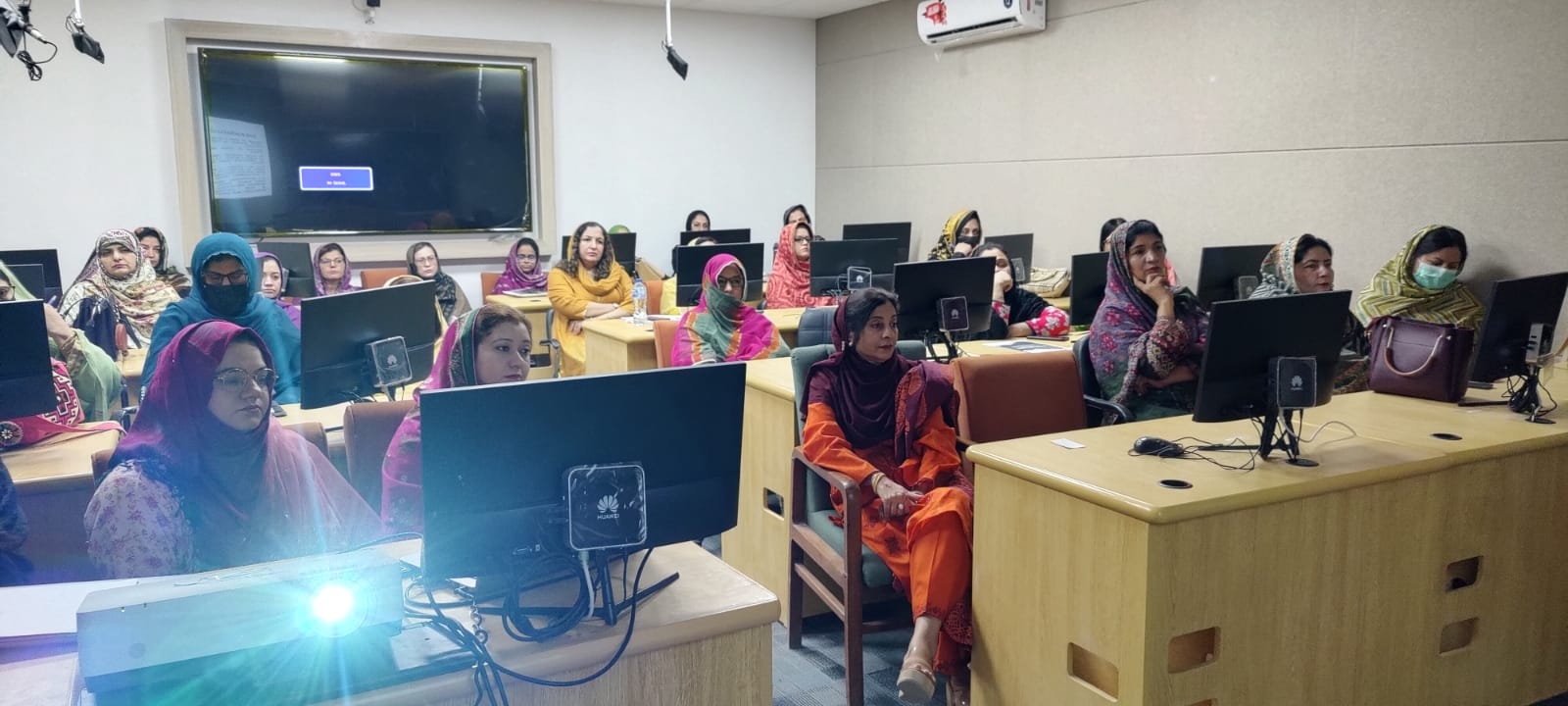
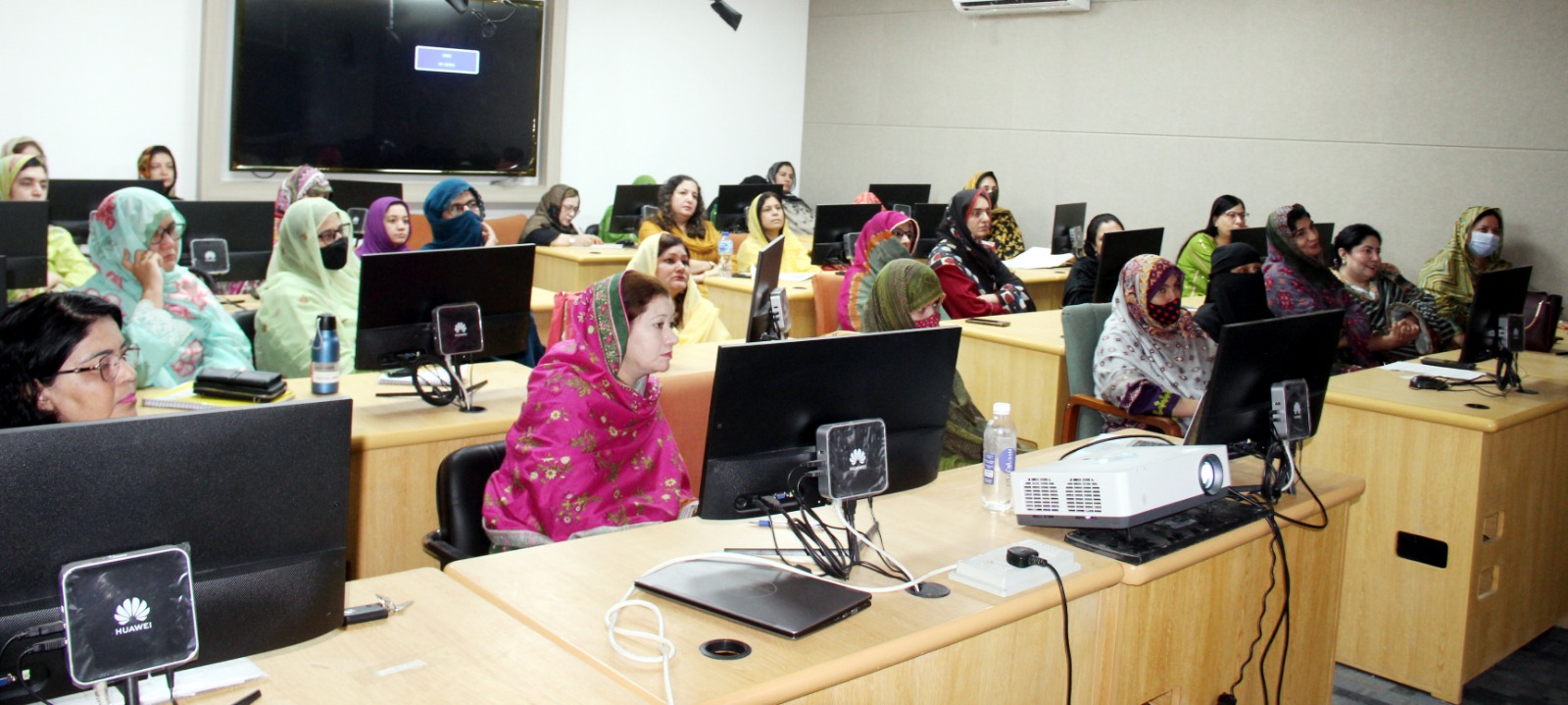
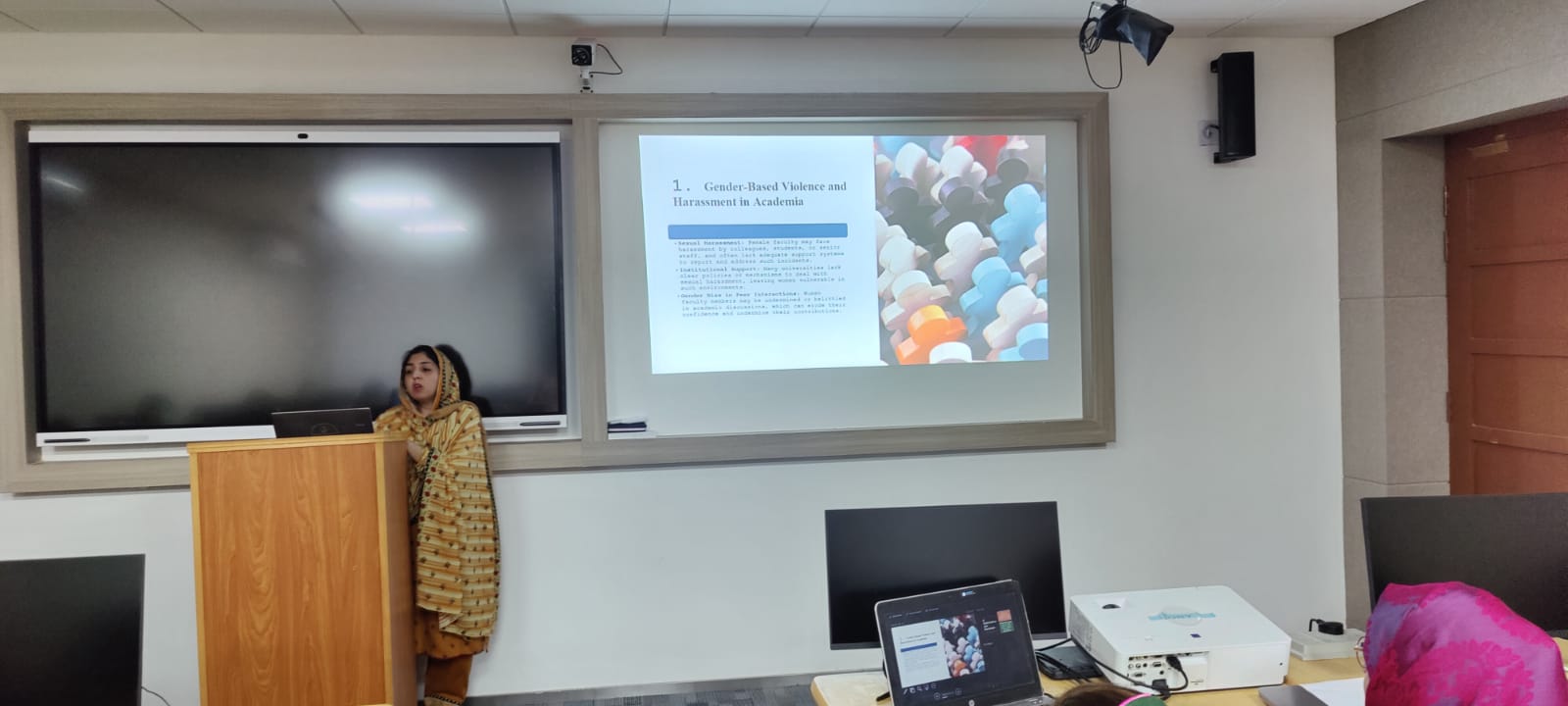
The Women Empowerment Mentoring Program (WEMP), implemented under the guidance of the National Academy of Higher Education (NAHE), HEC, was successfully launched at Sardar Bahadur Khan Women’s University (SBKWU) with a clear aim to enhance leadership, professional development, and emotional intelligence among female faculty. The program ran from December 19, 2024, to April 23, 2025, spanning several key activities, including mentoring sessions, training modules, and a closing ceremony.
The program included 16 mentors from diverse academic disciplines and a cohort of 48 mentees, who engaged in personalized and structured mentoring sessions. Each mentor conducted multiple one-on-one sessions based on assigned mentees, culminating in a total of over 289 mentoring sessions. From 19th December to 23rd February 2025, online one to one sessions were conducted due to winter vocations in University. After that from 23rd Feb 2025 till 20th April 2025, physical sessions were conducted. Their detail is mentioned below:
| S. No | Name of Mentors | Departments | Name of Mentees | No of Sessions per Mentee | Total Sessions of Each Mentors |
| 1 | Dr Zile E Huma | Zoology | 4 | 4 | 16 |
| 2 | Dr Shumaila Mazhar | English | 5 | 10 | 50 |
| 3 | Dr Fozia Rehman | English | 2 | 4 | 8 |
| 4 | Dr Tahira Mengal | Botany | 5 | 5 | 25 |
| 5 | Dr Nabeela Tariq | Bio-Technology | 5 | 4 | 20 |
| 6 | Dr Qandeel Badar | Urdu | 2 | 5 | 10 |
| 7 | Dr Frarukh Bashir | Chesistry | 1 | 5 | 5 |
| 8 | Dr Irum javid | Bio-Chemistry | 3 | 4 | 12 |
| 9 | Dr Nazneen Durani | BBA | 2 | 3 | 6 |
| 10 | Dr Rakhshanda | Social Work | 3 | 6 | 18 |
| 11 | Dr Noreen | Mathematics | 3 | 4 | 12 |
| 12 | Dr Shabana Akhtar | Pak-Studies | 2 | 4 | 8 |
| 13 | Dr Farkhanda | Chemistry | 2 | 2 | 4 |
| 14 | Dr Safia Gul | Education | 2 | 7 | 14 |
| 15 | Miss Sundas Zafar | Physics | 3 | 6 | 18 |
| 16 | Dr Khadija | Education | 5 | 9 | 45 |
The mentoring focused on five comprehensive modules:
- Mentoring for Higher Education,
- Higher Education Challenges,
- Growth and Reflection, Expectations and Goals
- Communication Skills for Faculty Members
- Conflict Resolution and Management.
Each designed to foster personal growth, institutional insight and skill enhancement.
Benefits Achieved by SBK Women’s University:
i. Empowered female faculty through leadership and communication development.
- Encouraged self-reflection, strategic goal setting, and career advancement.
- Strengthened institutional culture by promoting peer mentoring and inclusive dialogue.
- Introduced practical mentoring tools like GROW, SWOT, and CALM
Strengths of the Program:
Strong coordination and institutional support from university administration, including the Vice Chancellor and Registrar.
A broad spectrum of mentors across departments created a rich learning ecosystem.
Use of practical engagement strategies such as role plays, real-life case studies, and peer discussions.
Integrated emotional intelligence and strategic leadership concepts.
Weaknesses Observed:
Time Limitations: Sessions often clashed with academic responsibilities, limiting depth.
Departmental Gaps: Some departments had low or no representation, restricting program inclusivity.
Documentation Issues: Inconsistent session reports and feedback from some mentors and mentees.
Junior Faculty Exclusion: Limited participation from early-career faculty due to workload or lack of awareness.
Drawbacks Identified:
Inconsistent Engagement: Irregular attendance and variable motivation across departments.
Time Constraints: Heavy academic loads impacted faculty availability.
Limited Departmental Inclusion: Some academic units remained disconnected from the mentoring cycle.
Infrastructure Deficiencies: Lack of a permanent mentoring center and limited private meeting spaces.
Emotional Burnout:
Mentors faced psychological fatigue balancing teaching, administration, and mentoring roles.
Future Planning and Sustainability:
- Bi-monthly sessions to be continued during academic semesters.
- Train current mentees to evolve into next-generation mentors.
- Expand mentoring programs to sub-campuses across Balochistan.
- Advocate for establishment of a dedicated mentoring center at SBKWU.
- Strengthen feedback and documentation systems for impact measurement.
Higher Education Perspective to Run WEMP Project of NAHE in SBK Women’s University Quetta
The successful implementation of the Women Empowerment Mentoring Program (WEMP) by NAHE, HEC at Sardar Bahadur Khan Women’s University (SBKWU) Quetta reflects a strategic advancement in strengthening women’s leadership and academic excellence in higher education. Running such a project in a women-focused public sector university requires a multidimensional understanding of institutional structures, academic responsibilities in the higher education sector of Balochistan.
To run WEMP effectively at SBKWU, higher education institutions must prioritize faculty development, institutional support, and sustainability planning. The university’s academic environment must be aligned with the mentoring goals to enhance professional growth, emotional resilience, and collaborative learning for women faculty members. This includes integrating structured mentoring into academic calendars, balancing teaching loads, and encouraging interdepartmental cooperation.
Given the regional context, running such a project requires addressing systemic challenges such as resource constraints, limited infrastructure, and uneven departmental participation. SBKWU overcame many of these barriers through strong leadership, administrative backing from the Vice Chancellor and Registrar, and the commitment of experienced faculty mentors.
From a higher education policy perspective, the success of WEMP at SBKWU highlights the need to:
- Embed faculty mentoring programs into university strategic plans.
- Promote inclusive participation from all departments of university.
- Establish a permanent mentoring and leadership development center.
- Institutionalize feedback mechanisms and documentation processes.
- Recognize and mitigate challenges such as academic workload, emotional burnout, and resource limitations.
Furthermore, for long-term success, the higher education framework must support capacity building, peer-to-peer learning, and mentee-to-mentor pipelines, enabling mentees to evolve into institutional leaders. Expanding WEMP to sub-campuses and other regional institutions across Balochistan will further contribute to achieving gender equity, academic excellence, and leadership diversity in Pakistan’s higher education sector.